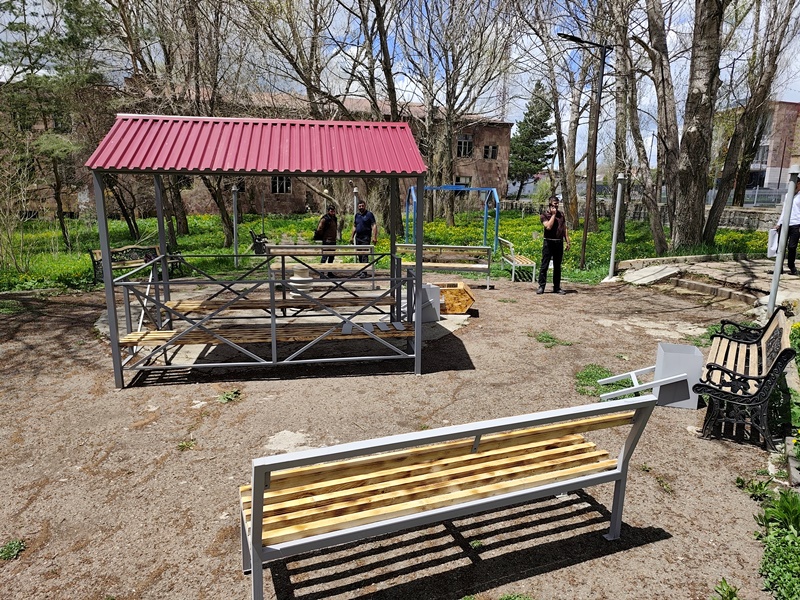
The placemaking project “Identity Park”, implemented in the Ashotsk community of the Shirak region, is the finest proof of how a neglected community space can be transformed into a vibrant, modern educational and cultural hub when local youth take action. The project was launched on March 25, 2026, on the initiative of a group of youth from Ashotsk and “The A.D. Sakharov Armenian Human Rights Protection Centre” NGO, funded by the UN Democracy Fund (UNDEF) and co-financed by the Ashotsk Municipality. The main driving force behind the project was the members of the Ashotsk youth active group of the Sakharov Center’s “ Involving Youth in Local Governance in Armenia” project.
From Concept to Reality
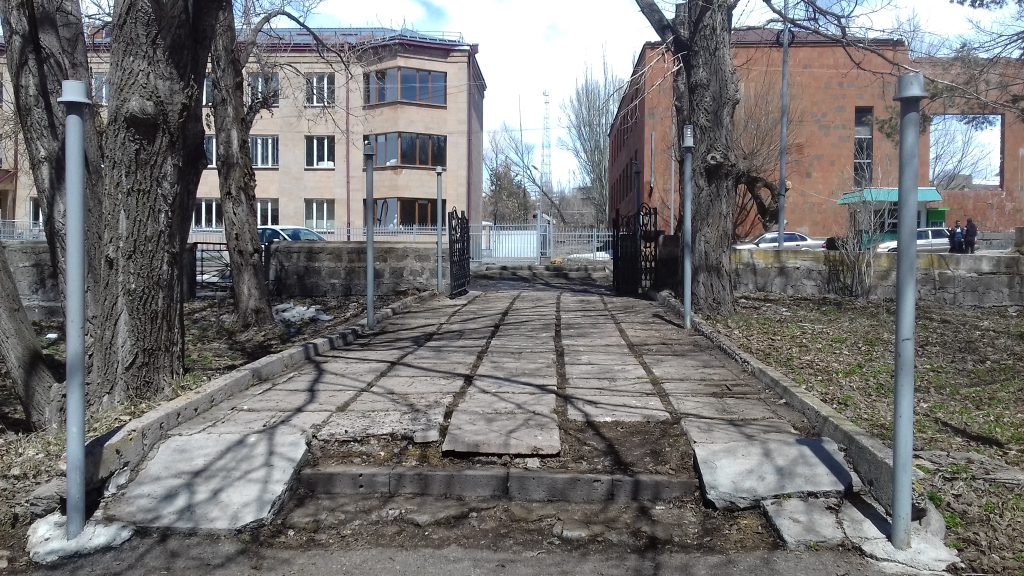
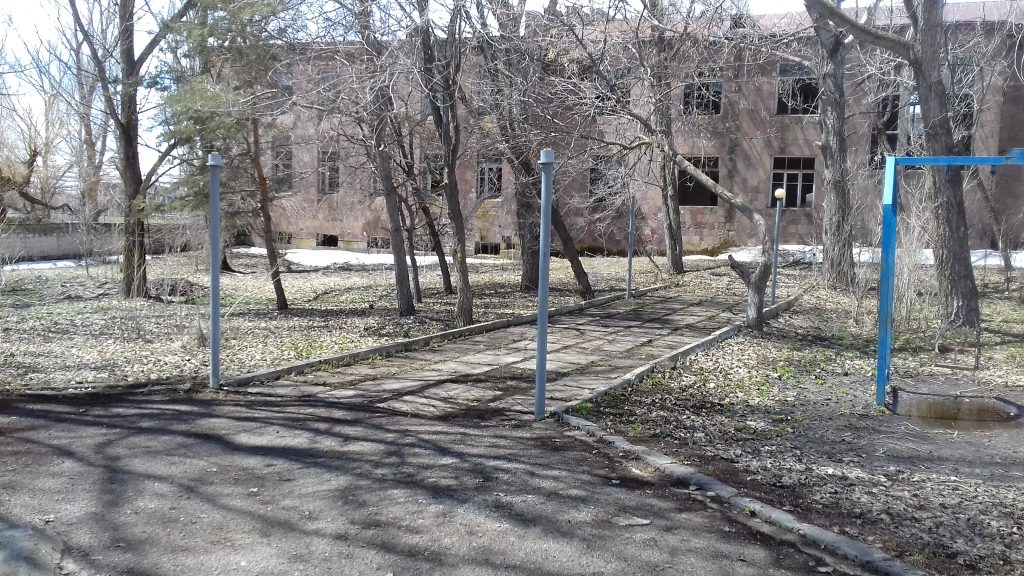
It all started with a participatory rapid needs assessment conducted by the youth of Ashotsk. The community’s central park, located adjacent to the secondary school, had been neglected for years: evening lighting was non-functional, and the nearby dilapidated buildings left over from the Spitak earthquake, along with a worn-out playground, made the area dark and unsafe. Utilizing spatial planning skills acquired at a practical training camp, the youth developed several ideas, which were further refined at the training camp and presented during a community town hall meeting. As a result of an open and transparent voting process, the “Identity Park” project was selected.
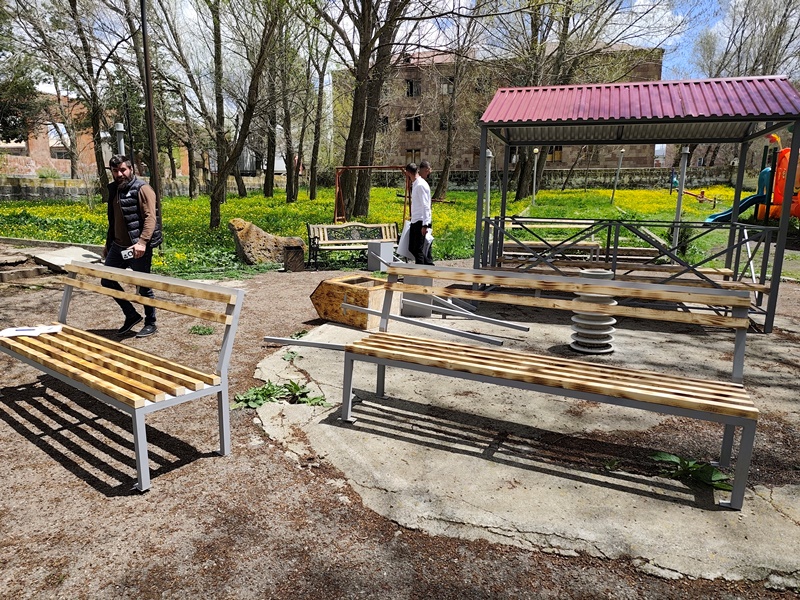
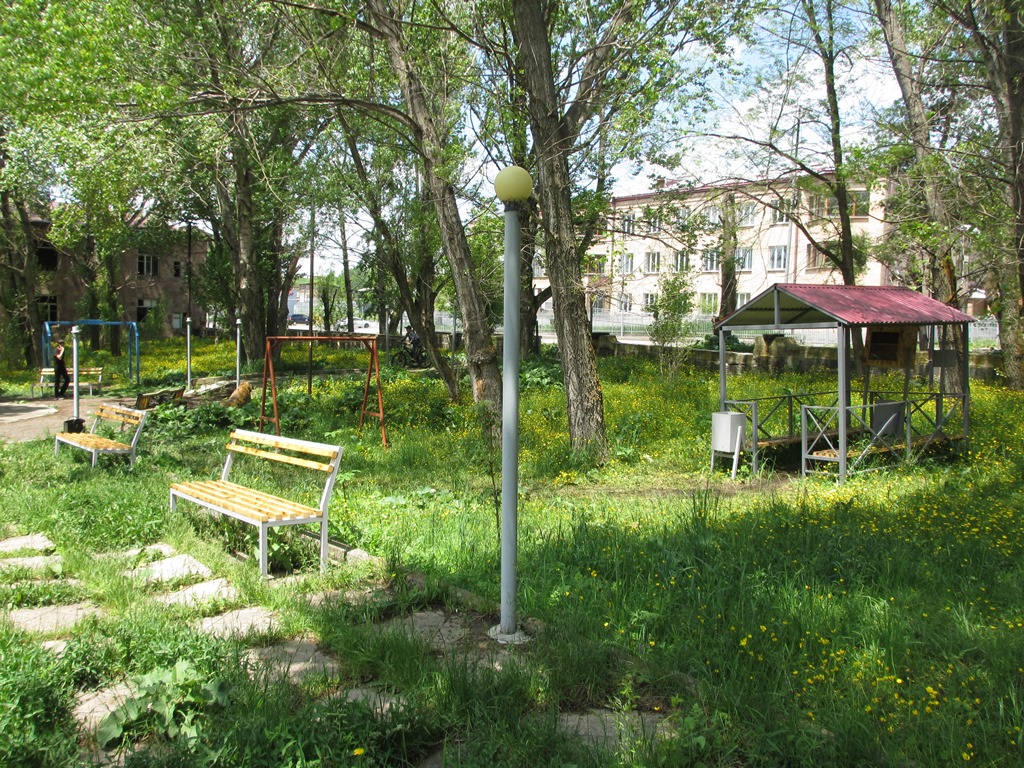
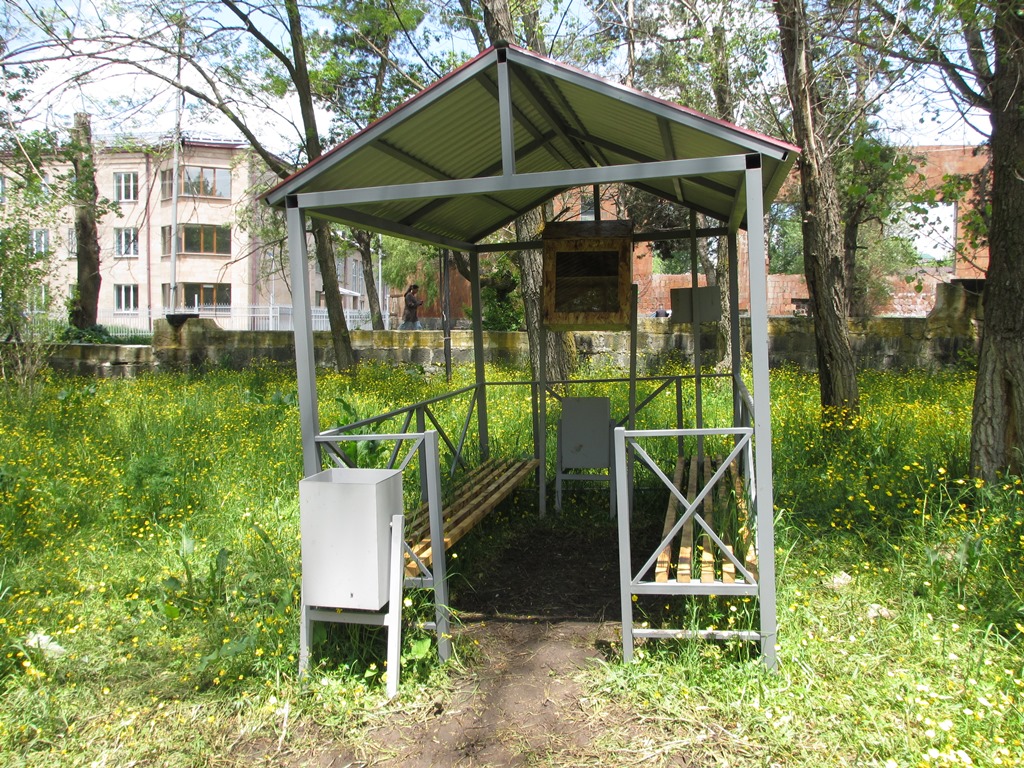
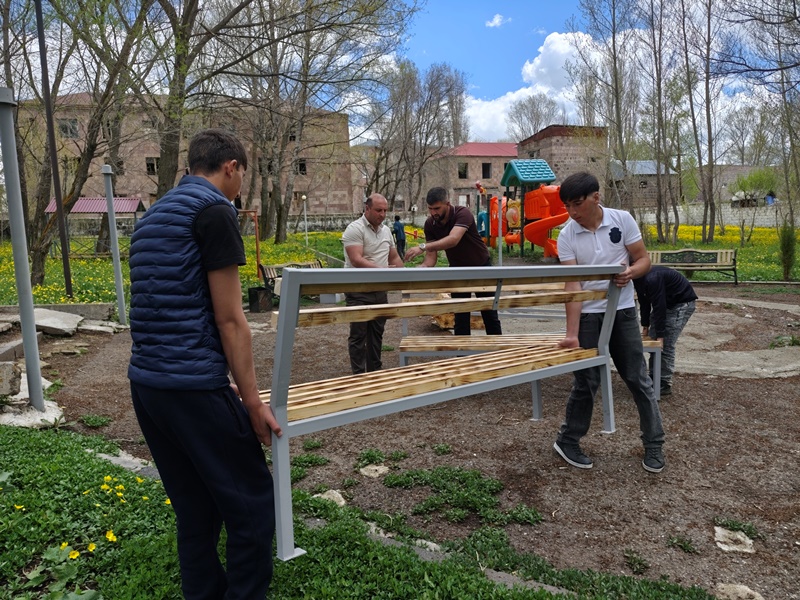
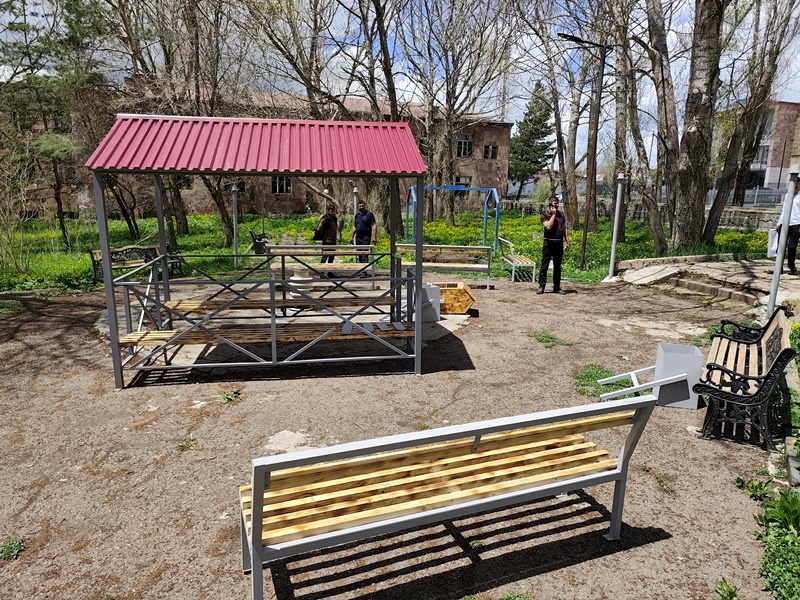
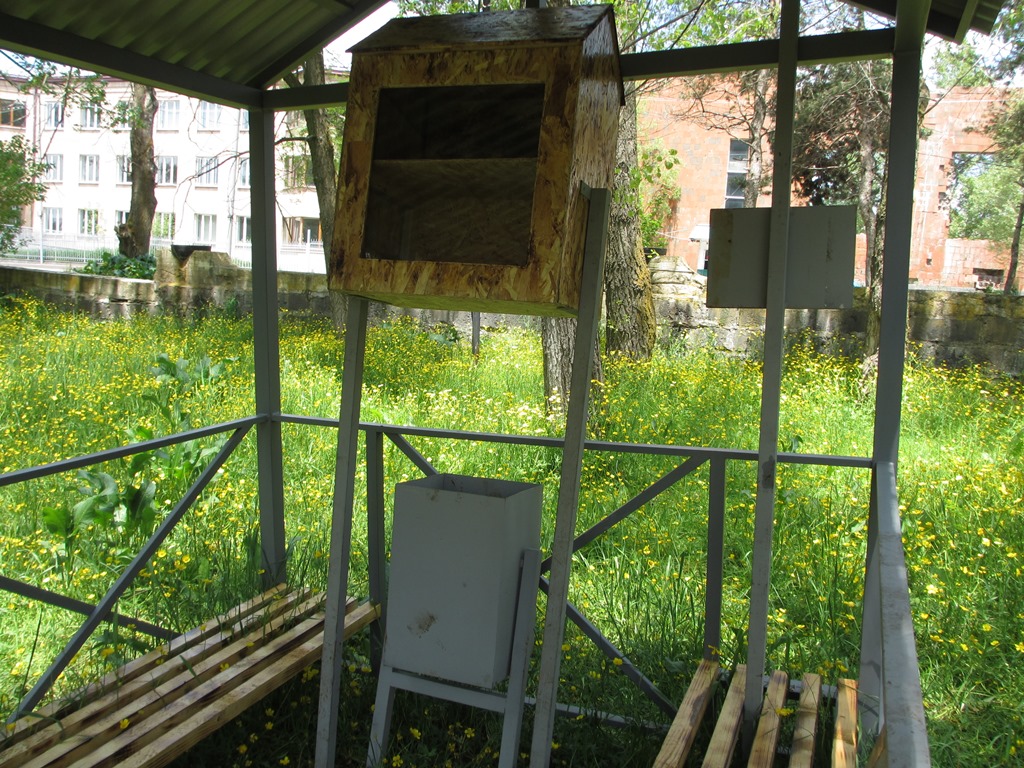
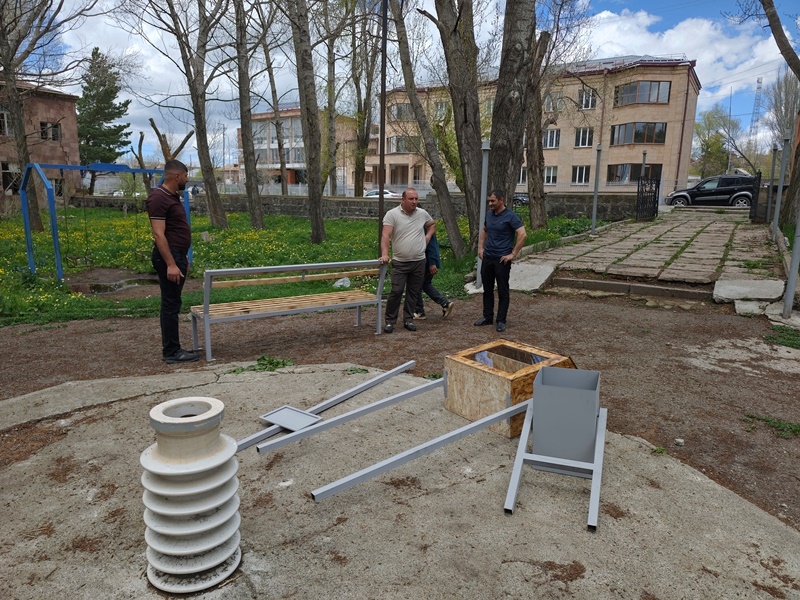
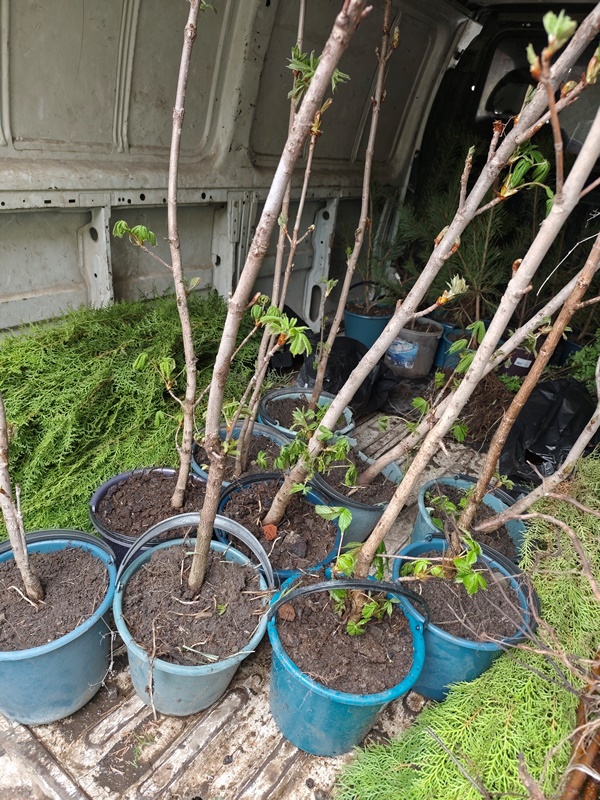
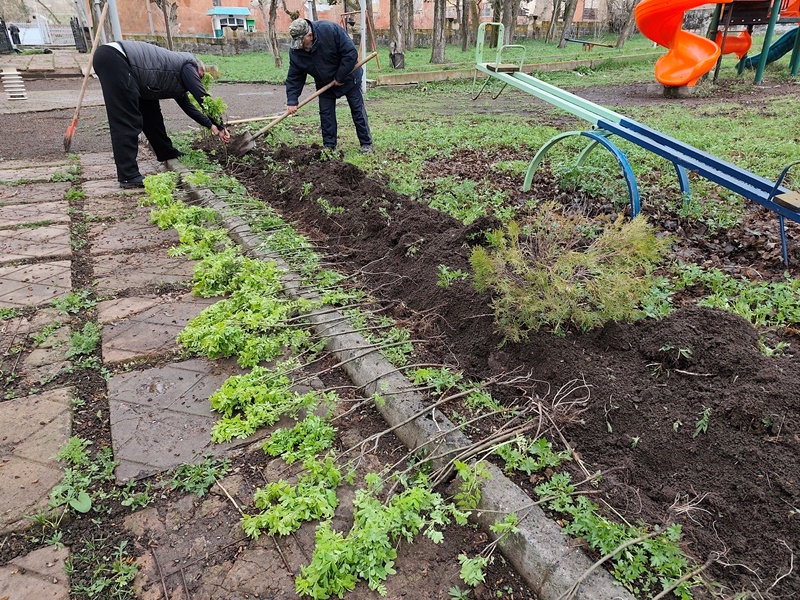
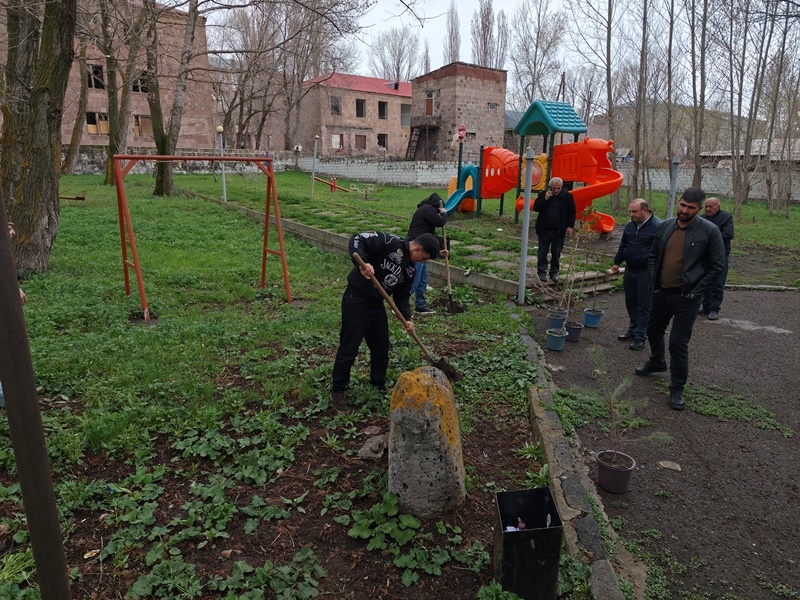
In just a few weeks, an area of about 1,600 square meters around the park completely changed its appearance. Youth, schoolchildren, and volunteers joined forces to clean up the area, remove waste, and prune trees. A gazebo, new benches, trash bins, and a small cabin-library were installed, making the area safe and pleasant for evening walks.
The Park’s Innovative Spirit and Thematic Zones
The main innovation of the project is that the public park will gradually transform into a “living exhibition” of Ashotsk’s identity. Four main thematic zones have been established:
- Astronomical Platform: Thanks to Ashotsk’s clear and crisp skies, this zone has become the highlight of the project. With the installed telescope, outdoor educational lessons will be organized 2-3 times a month, where youngsters will study celestial objects with great enthusiasm.
- Master Classes Pavilion: Here, traditional crafts are presented through live interaction rather than mere display boards. Local artisans (potters, clay craftsmen) with whom negotiations are underway conduct workshops, ensuring intergenerational succession and the popularization of crafts.
- Outdoor Cabin-Library: A green and peaceful corner where residents can read books or engage in cultural discussions.
- QR-Information: Every visitor or tourist can scan QR codes with their smartphone to learn about the historical heritage of Ashotsk, which will increase the community’s visibility on social media.
Impact and the Voice of the Youth
Today, the park attracts over 1,000 visitors per month. It has become the “outdoor anti-cafe” for Ashotsk’s youth and the community’s new calling card.
According to the participating youth, the project has completely changed their daily lives and their attitude toward their birthplace.
“Before, I thought about leaving Ashotsk as soon as possible, but now I see that an interesting life can be created here too, and that we can support such initiatives,” notes one of the young participants.
Schoolchildren take great pride in the telescope.
To ensure the project’s sustainability, a feedback mechanism has been introduced in the park: visitors can share their opinions and suggestions via QR codes (Google Forms). Furthermore, the youth are already thinking about creating an “Aesthetic Guardians” volunteer group and organizing outdoor movie screenings and intellectual festivals here in the future. “Identity Park” has proven that youth initiative and self-belief can work wonders even in remote communities.